แนวคิดว่าด้วยความเสมอภาค วิเคราะห์ในเชิงปรัชญาทางการเมืองตะวันตกและตามแนวพุทธ
คำสำคัญ:
ความเสมอภาค, ปรัชญาตะวันตก, ปรัชญาพุทธศาสนาบทคัดย่อ
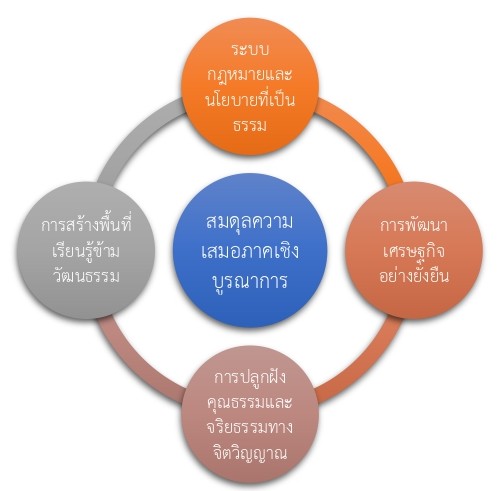
บทความนี้มุ่งวิเคราะห์แนวคิดเรื่องความเสมอภาคในเชิงปรัชญา โดยเปรียบเทียบระหว่างปรัชญาตะวันตกและหลักคำสอนในพุทธศาสนา เพื่อค้นหามิติที่หลากหลายของความเสมอภาคและวิธีที่แนวคิดทั้งสองสามารถเสริมสร้างกันในบริบทสังคมสมัยใหม่ ปรัชญาตะวันตก ที่มุ่งเน้นการสร้างความเสมอภาคผ่านโครงสร้างสังคม เช่น กฎหมาย เศรษฐกิจ และการเมือง โดยชี้ให้เห็นว่าการลดความเหลื่อมล้ำในระดับโครงสร้างคือกุญแจสู่ความยุติธรรม พุทธศาสนานำเสนอแนวคิดความเสมอภาคในระดับจิตวิญญาณ โดยเน้นการละวางอัตตาและการตระหนักถึงศักยภาพที่เท่าเทียมกันของมนุษย์ทุกคนในการเข้าถึงความหลุดพ้นจากทุกข์ บทความนี้ยังชี้ให้เห็นจุดร่วมของแนวคิดทั้งสอง ได้แก่ การปฏิเสธการแบ่งแยกและการเลือกปฏิบัติ รวมถึงการมุ่งสร้างความยุติธรรมในสังคม แนวคิดตะวันตกและพุทธศาสนายังมีจุดเด่นและข้อจำกัดที่แตกต่างกัน โดยแนวคิดตะวันตกเน้นการแก้ไขปัญหาในระดับระบบ แต่ขาดความลึกซึ้งในด้านจิตใจ ขณะที่พุทธศาสนาเน้นการพัฒนาภายในที่สามารถลดความขัดแย้งในระยะยาว แต่ขาดกรอบปฏิบัติที่ชัดเจนในเชิงระบบ ยังได้เสนอกรณีศึกษา ที่ผสานโครงสร้างทางสังคมแบบตะวันตกกับคุณค่าจิตวิญญาณของพุทธศาสนา เพื่อสร้างความสมดุลระหว่างความก้าวหน้าทางเศรษฐกิจและจิตใจ การประยุกต์ใช้แนวคิดทั้งสองในบริบทสมัยใหม่ การสร้างสังคมที่สมดุลและยั่งยืนจำเป็นต้องอาศัยทั้งการจัดการระบบภายนอกและการพัฒนาภายในร่วมกัน
เอกสารอ้างอิง
โกวิท วงศ์สุรวัฒน์. (2560). พุทธปรัชญาในโลกปัจจุบัน. กรุงเทพฯ: สำนักพิมพ์วิถีธรรม.
ปานเทพ พัวพงษ์พันธ์. (2566). “ปรัชญาตะวันตก” (ตอนสิบเจ็ด) “จอห์น ล็อค” นักปรัชญาเมืองผู้ดี. สืบค้น 10 มีนาคม 2568 จาก https://mgronline.com/daily/detail/9660000094751
พระไพศาล วิสาโล. (2555). ธรรมเพื่อชีวิตที่ดีงาม. กรุงเทพฯ: มูลนิธิพุทธิกา.
พระธรรมปิฎก (ป. อ. ปยุตฺโต). (2546). พจนานุกรมฉบับพุทธศาสน์ (พิมพ์ครั้งที่ 12). กรุงเทพฯ: โรงพิมพ์มหาจุฬาลงกรณราชวิทยาลัย.
พุทธทาสภิกขุ. (2517). พุทธธรรม. กรุงเทพฯ: ธรรมสภา.
ระพีพรรณ คำหอม. (2549). สวัสดิการสังคมกับสังคมไทย (พิมพ์ครั้งที่ 2). กรุงเทพฯ: บริษัท พริก หวานกราฟฟิค จำกัด.
วรพจน์ วิศรุตย์พิชิต. (2543). สิทธิและเสรีภาพภายใต้รัฐธรรมนูญแห่งราชอาณาจักรไทย 2540. กรุงเทพฯ: สำนักพิมพ์ชนะเลิศ.
สมบัติ ธำรงธัญวงศ์. (2545). การเมือง : แนวความคิดและการพัฒนา. กรุงเทพฯ: สำนักพิมพ์เสมาสธรรม.
สมภาร พรมทา. (2539). ปรัชญาสังคมและการเมือง (พิมพ์ครั้งที่ 2). กรุงเทพฯ: สำนักพิมพ์จุฬาลงกรณ์มหาวิทยาลัย.
Marx, K. (1990). Capital Volume I. (Fowkes, B., Trans.). London: Penguin Books.
Rawls, J. (1971). A Theory of Justice. Cambridge, MA: Harvard University Press.
Sen, A. (1992). InEquity Reexamined. Cambridge, MA: Harvard University Press.
ดาวน์โหลด
เผยแพร่แล้ว
รูปแบบการอ้างอิง
ฉบับ
ประเภทบทความ
หมวดหมู่
สัญญาอนุญาต
ลิขสิทธิ์ (c) 2025 วารสารวิชาการรัฐศาสตร์และรัฐประศาสนศาสตร์

อนุญาตภายใต้เงื่อนไข Creative Commons Attribution-NonCommercial-NoDerivatives 4.0 International License.