
Revisiting Queer Shame in Boys Love/Y Novels and Queer Literary Culture in Thailand
Article Sidebar
Main Article Content
Abstract
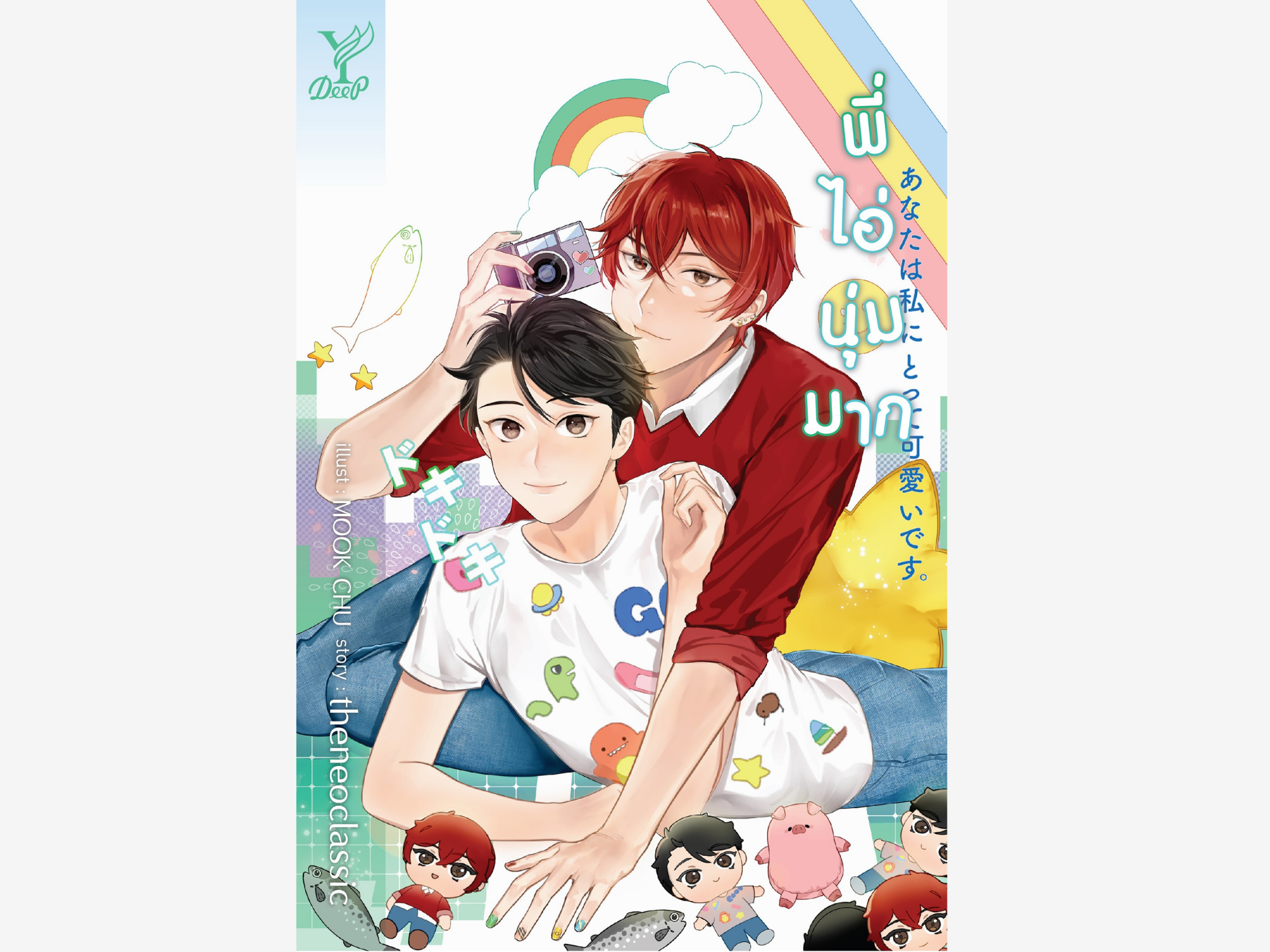
Background and Objectives: Following the legalization of same-sex marriage effective in 2025, Boys Love (BL)/Yaoi (Y), a globally recognized queer media, underscores its sociopolitical roles. The celebration of queer visibility and queer pride has gradually become the core value of the genre, influenced by LGBTQ political movements in the Euro-American context. The progressive-oriented approach is, however, challenged by the ideas of “Feeling Backward” proposed by Heather Love (2007). This study explores queer shame within the setting of Thai BL before and after its Queer Turn in 2020. The research aims to analyze queer shame in a selected case study, theneoclassic’s Phi Ai Num Mak or Ai, You Are So Fluffy (first published in 2021), before expanding to the queer literary culture in Thailand, which is potentially held in the cycle of shame.
Methods: This study is categorized as qualitative research. The data selection relies on the exemplary case study method. The selected novel is explored by the textual analysis method and is situated within the shared context of related works. The case study is also employed as a tool for understanding broader phenomena: the queer literary culture in Thailand.
Results: The development of Thai BL works is typically articulated in a progressive framework or transitioning from repression to the celebration of social movements. The analysis of queer shame in Ai, You Are So Fluffy illustrates how the novel challenges the conventions (ōdō) of BL originating from Japanese BL. The text redefines the rigid seme/uke formula and resonates with an emerging trend of queered character design in BL works of post-2020. The novel connotes that despite the sociopolitical movements of queers in Thailand, there are still different types of queer shame perpetuated within the queer communities. Nevertheless, queer shame is placed as a barrier to overcome through the framework of popular romance. Situating Ai, You Are So Fluffy as a bridge, queer shame in queer literary culture is realized in two directions: 1) the linkage between the development of Thai BL and the Thai literary tradition that presents queer-themed narratives, authored by both female and non-female writers since the late 1970s, and 2) the recovery of the marginalized history of female fans or consumers of BL media, along with the activities they engaged in since the period when BL content faced public condemnation, prior to the state’s incorporation of BL into soft-power policy in the early 2020s.
Application of this study: The findings of the research have led to further explorations of Thai BL/Y across both the literary and media industries. In addition, it addresses the societal role of Thai BL through newly proposed critical views, as the concept of queer shame has not yet received significant attention in Thai scholarship.
Conclusions: The study of queer shame in Thai BL novels provides an alternative perspective on the genre’s tradition, coinciding with the proliferation of digital media, transnational fan culture, and social activism. Rather than commemorating queer pride, queer shame can be leveraged as a significant aspect of certain queer communities. Some key notions from the research findings include 1) non-female BL writers recognize queer shame and generate political meaning from that very shame; 2) revisiting the BL genre alongside queer literary culture in Thailand revives queer spirits of the genre; and 3) queer shame unfolds the interplay among literary convention, screen adaptation, star persona, and fan culture within the Thai BL industry.
Downloads
Article Details

This work is licensed under a Creative Commons Attribution-NonCommercial-NoDerivatives 4.0 International License.
References
Ahmed, S. (2025). No Is Not a Lonely Utterance : The Art and Activism of Complaining. Thetford: Allen Lane.
Alvesson, M., & Sandberg, J. (2011). Generating Research Questions Through Problematization. The Academy of Management Review, 36(2), 247–271.
Asoksin, K. (2013). Behind the Closed Door. 8th ed. Bangkok: Saengdao. (In Thai)
Baudinette, T. (2022). BL as a “Resource of Hope” Among Chinese Gay Men in Japan. In J. Welker (Ed.), Queer Transfigurations : Boys Love Media in Asia, (pp .42–54). Honolulu: University of Hawai‘i Press.
Baudinette, T. (2023). Boys Love Media in Thailand : Celebrity, Fans, and Transnational Asian Queer Popular Culture. London: Bloomsbury.
Baudinette, T. (2025). Exploring the Rise of Activism for LGBTQ+ Rights in Contemporary Thailand within Boys Love Idol Culture. Celebrity Studies, 16(3), 363–379. https://doi.org/10.1080/19392397.2025.2521219
Boonkachorn, T. (1982). Thai Novels within the Decade : Some Observations. The Bicentenary of Rattanakosin : Changes of the Thai Society. February 3–5, 1982, Thai Khadi Research Institute, Thammasat University, Thailand. (In Thai)
Boon-Long, R. (2011). Male Homosexual Identity : A Comparative Study of Male Homosexual Characters in Contemporary Thai Autobiography and Drama. Doctoral Dissertation, Ph.D. in Literature and Comparative Literature, Chulalongkorn University, Thailand. (In Thai)
Bunyavejchewin, P. (2022). The Queer if Limited Effects of Boys Love Manga Fandom in Thailand. In J. Welker. (Ed.), Queer Transfigurations : Boys Love Media in Asia, (pp. 181–193). Honolulu: University of Hawai‘i Press.
Chan, Y., & Lee, T. K. (2025). The “Y” Phenomenon : Dystopia, Utopia, and Heterotopia in Thai Boys Love Media. Inter-Asia Cultural Studies, 1–19. https://doi.org/10.1080/14649373.2025.2458385
Chansakoolnee, P. (2023). A Constructive View on Thai Y…When Excessive Fan Services Are Once Again Questioned by Fans. Retrieved 29 May 2025, from https://www.vogue.co.th/lifestyle/entertainment/article/series-y-thai-service-fans-problem. (In Thai)
Chunlawong, S. (2025). Thai Literature after 1977. Bangkok: Chulalongkorn University Press. (In Thai)
Chunnanonda, N. (2005). An Analysis of Pocketbooks Written by People in the Entertainment Industry. Master Thesis, M.A. in Thai Language for Business Communication, University of Thai Chamber of Commerce, Thailand. (In Thai)
Collins, J. (2010). Bring on the Books for Everybody : How Literary Culture Became Popular Culture. Durham, NC: Duke University Press.
Duangwises, N. (2018). The Proliferation of Masculinity Consumption and Construction in Modern Thai Gay Communities Since 1960s to 2010s. Journal of Anthropology, Sirindhorn Anthropology Centre, 1(2), 129–182. (In Thai)
Dyer, R. (2002). The Matter of Images : Essays on Representation. 2nd ed. New York: Routledge.
Garg, D. (2019). Queerbaiting and Beyond : Japanese Popular Culture and Queer Politics. In J. Brennan (Ed.), Queerbaiting and Fandom : Teasing Fans through Homoerotic Possibilities, (pp. 164–167). Iowa City, IA: University of Iowa Press.
G MUSIC. (2021). Amp Achariya, a Songwriter Behind the Success of Million Views. Retrieved 29 May 2025, from https://www.youtube.com/watch?v=IQebgHWe1so. (In Thai)
Halperin, D. M., & Traub, V. (2010). Beyond Gay Pride. In D. M. Halperin & V. Traub (Eds.), Gay Shame, (pp. 3–40). Chicago, IL: The University of Chicago Press.
Jackson, P. A. (2000). An Explosion of Thai Identities : Global Queering and Re-Imagining Queer Theory. Culture, Health & Sexuality, 2(4), 405–424.
Jiararattanakul, Y. (2007). Yaoi : Gay Manga by Women for Women. Master Thesis, M.S. in Human Sexuality (Interdisciplinary Program), Chulalongkorn Unviersity, Thailand. (In Thai)
Jirattikorn, A. (2020). Audience Tastes and Fans of Thai Dramas in ASEAN and China : Online Marketing and Emotional Politics. Chiang Mai: Faculty of Social Sciences, Chiang Mai University. (In Thai)
Jombaiyok, S. (2024). “Lower-Row Squids” Are Sissy, Don’t Party, Have Imperfect Bodies, and Lack Wealth—Another Shade of Thai Gay Culture Outside the Spotlight. Retrieved 29 May 2025, from https://themomentum.co/gender-bottom-row-squids. (In Thai)
Joseph, N., & Nedpogaeo, A. (2023). Communication About Gender Diversity and Driving of Marriage Equality in Thailand That Is Apparent in Boys Love Series. Journal of Digital Communications, 7(2), 146–161. (In Thai)
Kaewmak, S. (2022). Rainbowlogy. Bangkok: Avocado Books. (In Thai)
Khatkheaw, J., & Piayura, O. (2018). Sexuality in Gay Online Literature. The 19th National Graduate Research Conference, (pp. 1080–1091), March 9, 2018, Khon Kaen University, Thailand. (In Thai)
Khaosod. (2024). Infidel casting #I’m the Most Beautiful Count. Retrieved 29 May 2025, from https://www.khaosod.co.th/special-stories/news_8212254. (In Thai)
Kies, B. (2024). Saying “I Don’t” : Queer Romance in the Post-Marriage Equality World. Journal of Popular Romance Studies, 13, 1–15.
Klaharn, N. (2021). Y Series : Open and Diverse or Becoming Doubly Oppressive?. Sarakadee Magazine, (435), 137–147. (In Thai)
Kumsubha, B. (2021). Framing for Social Movement in the Sphere of Thai Y Series, 2020–2022. Interdisciplinary Social Sciences and Communication Journal, 5(3), 137–147. (In Thai)
Kuthavekul, S. (2005). The Reflection of Homosexual Men in Thai Novels of Three Decades (1970-2000) : A Study of Capacity, Limitations, and Solutions of Female Authors. Manutsat Paritat : Journal of Humanities, 27(1), 136–145. (In Thai)
Lertwichayaroj, N. (2017). The Heart of Y. Bangkok: Bun Books. (In Thai)
Lin, D. C. (2006). Sissies Online : Taiwanese Male Queers Performing Sissinesses in Cyberspaces. Inter-Asia Cultural Studies, 7(2), 270–288.
Love, H. (2007). Feeling Backward : Loss and the Politics of Queer History. Cambridge, MA: Harvard University Press.
Lunning, F. (2022). Cosplay. Minneapolis, MN: University of Minnesota Press.
Manager online. (2012). When SE-ED Wants to Ban the Third Gender Books. Retrieved 29 May 2025, from https://mgronline.com/live/detail/9550000149720. (In Thai)
Metaveevinij, V. (2023). Boys Love (Yaoi) Fandom and Political Activism in Thailand. Intersections : Gender and Sexuality in Asia and the Pacific, (49). https://doi.org/10.25911/HMWC-PF64
Nagaike, K. (2003). Perverse Sexualities, Pervasive Desires : Representations of Female Fantasies and Yaoi Manga as Pornography Directed at Women. U.S.-Japan Women’s Journal, (25), 76–103.
Nagaike, K., & Aoyama, T. (2015). What Is Japanese “BL Studies?” : A Historical and Analytical Overview. In M. McLelland et al. (Eds.), Boys Love Manga and Beyond : History, Culture, and Community in Japan, (pp. 119–140). Jackson, MS: University Press of Mississippi.
Nilsirisuk, W. (2018). LGBT : Gender Diversity on Films. Bangkok: Starpics. (In Thai)
Nirapati. (2023). The Garland of Leaves. Bangkok: Saengdao. (In Thai)
Nukulkit, S. (2000). Modern Thai Literature. 8th ed. Bangkok: S. R. Printing Mass Products. (In Thai)
Numuen, W. (2008). Novels on Homosexuality : Problems and Human Value. Journal of Humanities and Social Sciences, Prince of Songkla University, 4(2), 35–74. (In Thai)
Onebunterng. (2025). Por-TeeTee Are Afraid of Fans’ Disappointment | Hot Issues 2025. Retrieved 29 May 2025, https://youtu.be/Eg-hZjnSEEY?si=2ru_QA9WKolI53Zn. (In Thai)
Pankhlam, P. (2013). Haunting Love : Queer Love and Globalization in Contemporary Thai Novels. Journal of Letters, 42(1), 137–186.
Pimsak, A., & Unthaya, S. (2017). SOTUS, an Evil Sophomore and a Freshman : The Construction of Queer Identity in the Y Novel. Governance Journal, 6(special), 174–193. (In Thai)
Pimsak, A. (2019). The Representation of Thai Gay in the Yaoi Novel “2 Moons” : Reproducing Political Ideology of Sexuality in Thai Society. Journal of Man and Society, 4(2), 111–126. (In Thai)
Pinijvararak, A. (1984). The Theme of Homosexuality in Thai Novels, 1973–1982. Master Thesis, M.A. in Comparative Literature, Chulalongkorn University, Thailand. (In Thai)
Pinit-Phuwadol, S. (1991). Para-Literature. Silpakam Parithat (Academy of Arts, Royal Institute of Thailand), 6(7), 66–89. (In Thai)
Polmuk, C. (2025). The Poetics of Sorrow : Poetry and Imagined Queer Communities in Thai Gay Magazines (1984–1987). Journal of Journalism, 18(2), 194–235. (In Thai)
Prachachat. (2020). From the Underground to the Limelight : Y Novels and Sexual Diversity. Retrieved 18 October 2025, from https://www.prachachat.net/public-relations/news-545576. (In Thai)
Prasannam, N. (2010a). Indecent Desire? : Sexual Minorities in Verawat Kanoknukroh’s Trilogy. In N. Prasannam. (Ed.), Let Equality Ring : Literature and Human Rights Studies, (pp. 45–79). Bangkok: Department of Literature, Faculty of Humanities, Kasetsart University in collaboration with the National Human Rights Commission of Thailand and Bangkok Art and Culture Centre. (In Thai)
Prasannam, N. (2010b). Sengped’s Sengped : Autobiography and Coming Out in the Thai Social Context. Manutsat Paritat: Journal of Humanities, 32(2), 1–16. (In Thai)
Prasannam, N. (2015). Best of the Year 2014 : Opinion. Starpics Special Year Book 2014 + Oscar 2015, (p. 126). Bangkok: Starpics. (In Thai)
Prasannam, N. (2022). Queerness in Ro Ruea Nai Mahasamut’s Yaoi Novels. Thammasat Journal, 41(1), 86–109. (In Thai)
Prasannam, N. (2023). Authorial Revisions of Boys Love/Y Novels : The Dialogue Between Activism and the Literary Industry in Thailand .Intersections : Gender and Sexuality in Asia and the Pacific, (49). https://doi.org/10.25911/PJHM-E120
Prasannam, N. (2024). Sissyphilia and Tropicopolitan Sensibilities : Queering the Star in Thai Boys Love Media. eTropic, Special issue 2, 58–80. https://doi.org/10.25120/etropic.23.2.2024.4041
Pumyim, W. (2007). The Representation of Male Homosexuals in Thai Literary Works (2001-2005). Master Thesis, M.A. in Thai Literature, Kasetsart University, Thailand. (In Thai)
Raksamani, K., Chunlawong, S., & Noinimit, S. (2007). The Concept of Honor and Shame in Thai Literature. Bangkok: Mae Khamphang. (In Thai)
Ro Ruea Nai Mahasamut. (2023). Red Wine and Ruby. Bangkok: Deep Publishing. (In Thai)
Salmon Podcast. (2023). Black Hole, Wounds of BL Cycle, and a Missing Piece of the Bl History in Thailand | World Y. Retrieved 29 May 2025, from https://www.youtube.com/watch?v=LvglCwM_Z4s&t=1s. (In Thai)
Satapornbooks. (2020). Cover of Ai, You Are So Fluffy. Retrieved 29 May 2025, from https://satapornbooks.com/file/product-inside/54t264o2b414w5m4p5
Sengped. (2008). Boring Love. Bangkok: Anit Publishing. (In Thai)
Sonnum, J., Jeennoon, P., & Chaowalitprapan, P. (2021). Personal Images of the Homosexual Male Characters in Y Novels. In Sangduen, N. et al. (Eds.), The 11th SCT Conference Community-Led Social Innovation in The Era of Global Changes Amidst Covid-19 Crisis, (pp. 49–58), February 19, 2021, Southern College of Technology, Thailand. (In Thai)
Supanvanit, I. (2011). Wannakam Parithat : The Reflection of Contemporary Thai Society. Bangkok: Thana Press. (In Thai)
The Active. (2024). Y Phenomenon : From the “Black Hole” to the Thai Soft Power. Retrieved 18 October 2025, from https://theactive.thaipbs.or.th/news/gendersexuality-20240622. (In Thai)
The Matter. (2023). Exploitative but Not Supportive…the Introduction to Queerbaiting—A Marketing Strategy, Which Turns LGBTQ+ Into Contents. Retrieved 29 May 2025, from https://thematter.co/brief/205267/205267. (In Thai)
theneoclassic. (2021). Ai, You Are So Fluffy. Bangkok: Deep Publishing. (In Thai)
The Thaiger. (2025a). BL Star Acknowledges Mistake After Using the Phrase “Harvesting Period” and Sexually Suggestive Language, Leading to Fan Outrage. Retrieved 3 November 2025, from https://thethaiger.com/th/news/1480487. (In Thai)
The Thaiger. (2025b). Netizens Slam the “Gold Mine Party,” Where Gay Men Were Caught Using Drugs, and the Media for Using Derogatory Titles and Stigmatizing LGBTQ+. Retrieved 3 November 2025, from https://thethaiger.com/th/news/1480483. (In Thai)
Thongtha, N. (2021). Y Culture & Artch Bunnag : On Literature and Soft Power in Real Life. Sarakadee Magazine, (435), 130–136. (In Thai)
TingThingsThink. (2021). EP.18 Recounting Sao-Y’s Stories Since The Ancient Time. Retrieved 29 May 2025, from https://youtu.be/avg8iAGjSSY?si=I_RKlG5bOkcJvo3i. (In Thai)
Turner, S. D. (2018). Interdisciplinary Approaches to Yaoi Manga : A Review. Journal of Graphic Novels and Comics, 9(5) 458–472.
Vichayawannakul, O. (2016). Women and the Creation of Boys’ Love Novels. Master Thesis, M.A. in Mass Communication, Thammasat University, Thailand. (In Thai)
Vinitphol, R. (2023). Cultural Hybridity in the Context of Boys’ Love Culture : The History of Thai Boys’ Love Reimported to Japan. The Journal of Thai Studies, 23(1), 3–17. (In Japanese)
Welker, J. (2022). Afterword : Boys Love as a World-Shaping Genre. In J. Welker. (Ed.), Queer Transfigurations : Boys Love Media in Asia, (pp. 272–277). Honolulu: University of Hawai‘i Press.
Wongwet, S. (2022). Constructive Techniques and Love Life of Characters in Thai Yaoi Novels. Doctoral Dissertation, Ph.D. in Thai, University of Phayao, Thailand. (In Thai)
Yin, R. K. (2018). Case Study Research and Applications : Design and Methods. 6th ed. Thousand Oaks, CA: Sage.
