DEVELOPMENT GUIDELINES FOR 21ST-CENTURY CITIZENSHIP CHARACTERISTICS BASED ON DEMOCRACY: A CASE STUDY OF SONGKHLA RAJABHAT UNIVERSITY
Keywords:
21st-Century Characteristics, Global Citizenship, Democracy, Student IdentityAbstract
This research article aimed to 1. study the characteristics and 21st-century skills in the context of Thai society and global society based on democratic concepts, and 2. propose guidelines for developing 21st-century characteristics and skills to create strong citizens based on democracy of Songkhla Rajabhat University. Data were collected through in-depth interviews with key informants: 1. 18 experts who have knowledge and expertise in teaching and developing learners in the field of political science, and 2. 12 students of Songkhla Rajabhat University. Data were analyzed using content analysis.
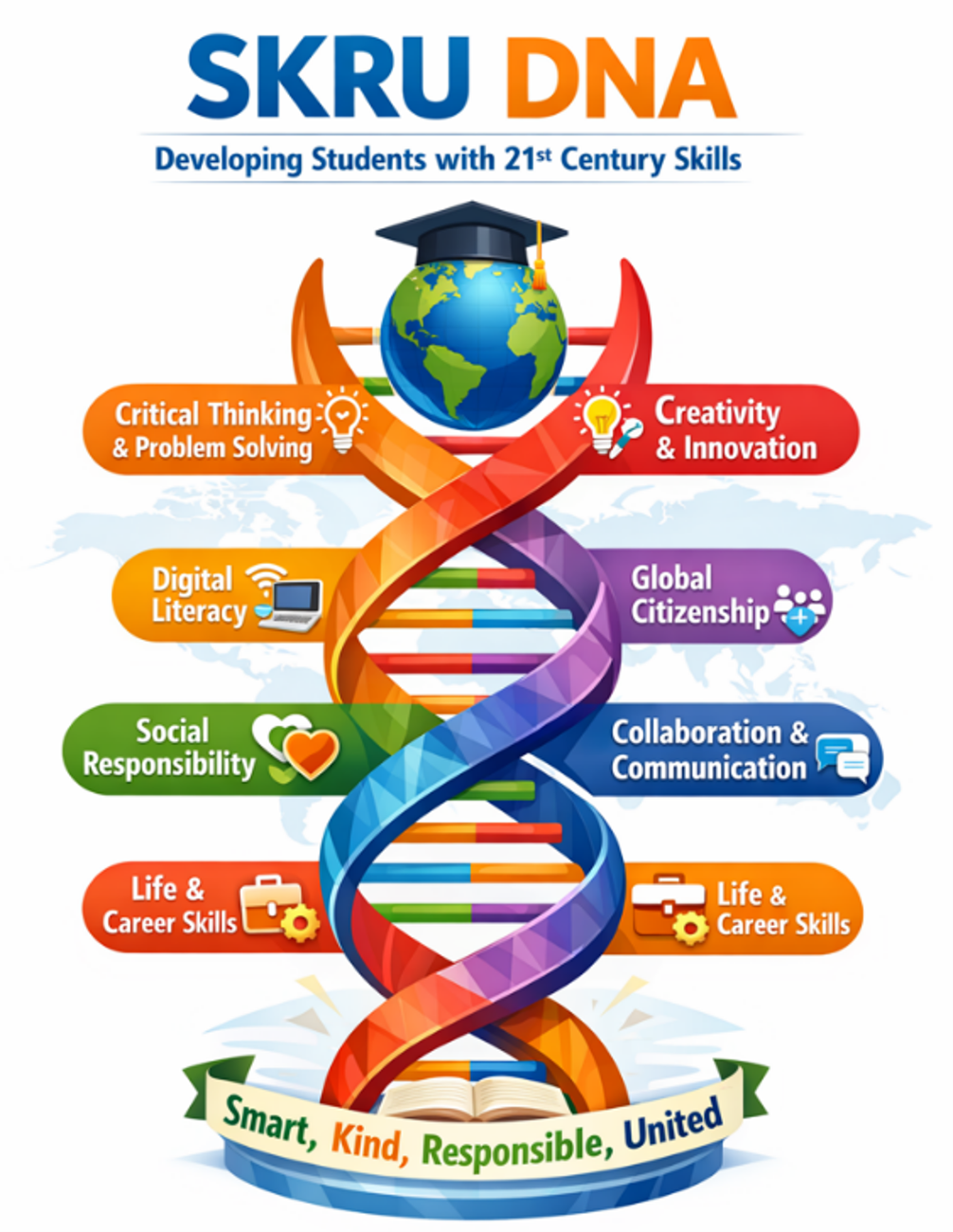
The research results found that the development of important characteristics and skills of students in the 21st century to create strong citizens requires a participatory learning process and a learner-centered approach. Learning management develops learners to have analytical thinking skills, intercultural communication, digital literacy, collaboration, and social responsibility, which are the core of global citizenship. In addition, the creation of the “SKRU DNA” system, which integrates Thai values with universal characteristics, is an approach that promotes students to become citizens who have roots and are ready to connect with the world sustainably.
References
กิตติพงษ์ เพียรพิทักษ์. (2566). การขับเคลื่อนความเป็นพลเมืองเข้มแข็งผ่านมุมมองการจัดการปกครองสาธารณะแนวใหม่. วารสารสถาบันพระปกเกล้า, 21(3), 22–39.
กุลธิดา อุ่นจิตต์ และคณะ. (2566). การพัฒนาประชาธิปไตยโดยใช้เยาวชนไทยเป็นฐานในการพัฒนา. วารสารรัฐประศาสนศาสตร์และการจัดการสังคม, 5(2), 73–82.
ผู้เชี่ยวชาญการพัฒนาพลเมือง มหาวิทยาลัยเทคโนโลยีราชมงคลศรีวิชัย คนที่ 6. (2567, 30 ตุลาคม) [บทสัมภาษณ์].
ผู้เชี่ยวชาญการพัฒนาพลเมือง มหาวิทยาลัยราชภัฏสงขลา คนที่ 1. (2567, 2 ธันวาคม) [บทสัมภาษณ์].
ผู้เชี่ยวชาญการพัฒนาพลเมือง มหาวิทยาลัยราชภัฏสงขลา คนที่ 2. (2567, 2 ธันวาคม) [บทสัมภาษณ์].
ผู้เชี่ยวชาญการพัฒนาพลเมือง มหาวิทยาลัยราชภัฏสงขลา คนที่ 5. (2567, 2 ธันวาคม) [บทสัมภาษณ์].
ผู้เชี่ยวชาญการพัฒนาพลเมือง มหาวิทยาลัยราชภัฏสุราษฎร์ธานี คนที่ 3. (2567, 20 พฤศจิกายน) [บทสัมภาษณ์].
ผู้เชี่ยวชาญการพัฒนาพลเมือง มหาวิทยาลัยวลัยลักษณ์ คนที่ 4. (2567, 20 ธันวาคม) [บทสัมภาษณ์].
พิชญ์อนงค์ ผดุงศิลป์ไพโรจน์ และรวงทอง ถาพันธุ์. (2567). การสร้างสำนึกความเป็นพลเมืองด้วยแนวคิดจิตตปัญญาศึกษาและการเรียนรู้ร่วมกัน. วารสารมนุษยศาสตร์และสังคมศาสตร์ มหาวิทยาลัยราชภัฏอุตรดิตถ์, 11(2), 44–58.
มหาวิทยาลัยราชภัฏสงขลา. (2567). แผนปฏิบัติราชการ มหาวิทยาลัยราชภัฏสงขลา ประจำปีงบประมาณ พ.ศ. 2567. สงขลา: มหาวิทยาลัยราชภัฏสงขลา.
วัชพล ตุลยวิไลกุล และวัชรพงศ์ ศิริมาสกุล. (2567). การพัฒนาการจัดการเรียนรู้วิชาหน้าที่พลเมืองโดยใช้ฉากทัศน์เป็นฐานเพื่อสร้างทักษะการคิดเชิงวิพากษ์ของนักเรียนชั้นมัธยมศึกษาตอนปลาย. วารสารสังคมศาสตร์และวัฒนธรรม, 8(7), 208–217.
สำนักงานเลขาธิการสภาการศึกษา. (2566). รายงานสภาวะการศึกษาไทย ปี 2566. กรุงเทพฯ: กระทรวงศึกษาธิการ.
สุพัตรา ตันติจริยาพันธ์ และคณะ. (2567). การพัฒนาหลักสูตรส่งเสริมความเป็นพลเมืองในระบอบประชาธิปไตยอันมีพระมหากษัตริย์ทรงเป็นประมุขในจังหวัดอุตรดิตถ์. วารสารสถาบันพระปกเกล้า, 22(1), 159–183.
Cathrin, S. et al. (2024). Artificial intelligence, academic ethics, and global citizenship. Journal Civics: Media Kajian Kewarganegaraan, 21(2), 214–226.
Kartika, R. & Ibrahim, I. M. (2025). Global citizenship in the era of disruption: Preparing critical, inclusive, and responsible global citizens. Journal of Civics and Moral Studies, 10(2), 82–88.
OECD. (2023). Education at a Glance 2023: OECD Indicators. Paris: OECD Publishing.
UNESCO. (2023). Global citizenship education: Preparing learners for the challenges of the 21st century. UNESCO Publishing. Retrieved March 22, 2026, from https://www.unesco.org.
World Economic Forum. (2024). The future of jobs report 2024. Retrieved March 22, 2026, from https://www.weforum.org/reports/the-future-of-jobs-report-2024.
Downloads
Published
How to Cite
Issue
Section
Categories
License
Copyright (c) 2026 Academic Journal of Political Science and Public Administration

This work is licensed under a Creative Commons Attribution-NonCommercial-NoDerivatives 4.0 International License.