
Krabi Krabong: The Cultural Heritage of Thai Wisdom
Keywords:
Krabi Krabong, cultural wisdom, martial artAbstract
Abstract
This article is a study on the history and development of Krabi Krabong, the values and wisdom embedded within it, and its current status. The study relies on both documentary sources and field data, including observations of training sessions, performances, competitions, and interviews with practitioners and experts.
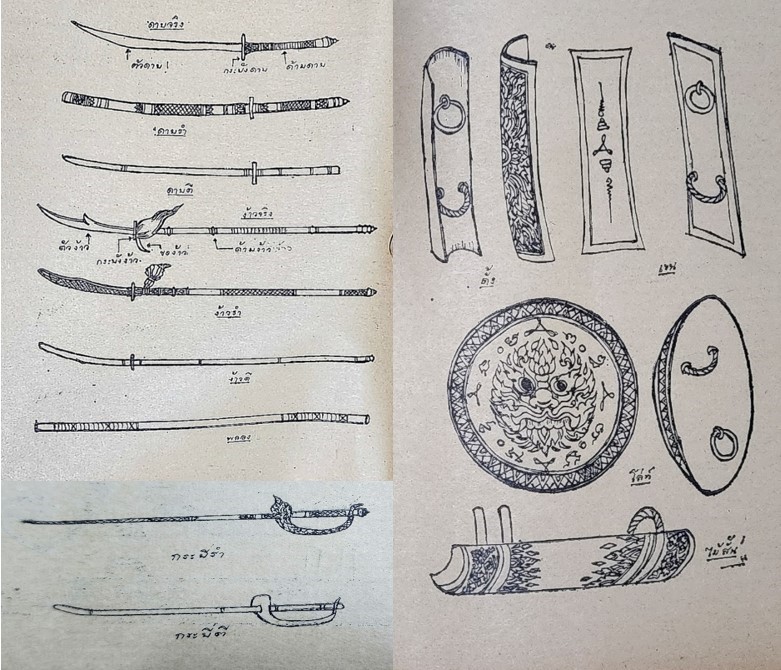
The study found that Krabi Krabong is a traditional Thai martial art that has existed since ancient times. In the past, it was used in warfare to defend the nation’s independence and to expand territories. The origins of Krabi Krabong practice involved training to prepare for battle, using rattan to create replicas of weapons used in ancient combat, such as swords, sabers, staff and halberds. Rattan or leather was also used to make shields and other protective gear, making training closely resemble real battlefield combat. Later, to make training more engaging and less monotonous, it was adapted to include entertaining elements and competitions. As result, Krabi Krabong evolved from a combat training for war into a form of play, performance, and sport that simulates combat with traditional Thai weapons, and was also presented in royal courts. Additionally, the value and wisdom embedded in the practice of Krabi Krabong can be found through its rules and practices. These include artistic and cultural values, self-defense and combat values, as well as moral and psychological virtues. The current status of Krabi Krabong is supported by several key organizations that promote sport. Competitions are held at various levels, and it is taught and practiced in schools and educational institutions. However, the overall development and popularity of Krabi Krabong appears to be gradually declining.
Keywords: Krabi Krabong; cultural wisdom; martial art
References
กรมศิลปากร. (2506). ขุนช้างขุนแผน ฉบับหอพระสมุดแห่งชาติ. คลังวิทยา.
กรมศิลปากร. (2508). นางนพมาศ, หรือ, ตำรับท้าวศรีจุฬาลักษณ์. โรงพิมพ์ภักดีประดิษฐ์.
กรมวิชาการ. (2528). คู่มือการสอนวิชากระบี่. โรงพิมพ์กรมการศาสนา.
กรมส่งเสริมวัฒนธรรม. (2559). กีฬาภูมิปัญญาไทย: มรดกภูมิปัญญาทางวัฒนธรรมของชาติ.
สำนักกิจการการพิมพ์ องค์การสงเคราะห์ทหารผ่านศึกในพระบรมราชูปถัมภ์.
ฉันทิชย์ กระแสสินธุ์. (2513). ยวนพ่าย โคลงดั้น ฤายอพระเกียรติ พระเจ้าช้างเผือก กรุงเก่า บรรยายปฐมเหตุ อันเปนที่มาของการแต่งโคลงยวนพ่าย และประวัติแห่งรัชสมัยในแผ่นดินสมเด็จพระบรมไตรโลกนารถ กรุงศรีอยุธยา ซึ่งทำยุทธการกับพระเจ้าติโลกราชแห่งกรุงนพบุรี ศรีพิงคนคร พุทธศักราช 1991-2031 พร้อมด้วยข้อวินิจฉัยทางประวัติศาสตร์ โบราณคดี ประเพณี วัฒนธรรม. โรงพิมพ์มิตรสยาม.
นาค เทพหัสดิน ณ อยุธยา. (2513). วิชากระบี่กระบอง. โรงพิมพ์คุรุสภา.
นิทัศน์ ชาญประโคน. (2518). คู่มือการเรียนวิชา พ.402 (กระบี่กระบอง). อรุณการพิมพ์.
พุทธเลิศหล้านภาลัย, พระบาทสมเด็จพระฯ. (2464). บทละครเรื่องอิเหนา ฉบับหอพระสมุดวชิรญาณ เล่ม 1 (พระนางเจ้าสุขุมาลมารศรีพระราชเทวี โปรดให้พิมพ์ในงานฉลองพระชัณษาซายิด เมื่อปีระกา พ.ศ. 2464). โรงพิมพ์ไทย.
สุจิตรา สุคนธทรัพย์. (2541). การวิเคราะห์คุณลักษณะไทย คุณค่า และกระบวนการถ่ายทอดศิลปะการต่อสู้ป้องกันตัวแบบไทย: กระบี่กระบอง. วารสารครุศาสตร์, 27 (1), 83-89.
สุนทรภู่. (2544). พระอภัยมณี (พิมพ์ครั้งที่ 16). โสภณการพิมพ์.



 Contact: Miss Wanvisa Phonkayun (Aim) Tel:
